Military Naval Jobs in the USA

Anúncios
Cafeteria jobs in the United States are one of the most accessible employment options for students and young workers looking to enter the job market. These jobs are widely available across the country and can be found in schools, universities, hospitals, corporate offices, and public institutions. Because cafeterias operate in structured environments, they offer predictable routines and clear responsibilities, making them ideal for first-time workers.
Unlike restaurants or fast-food establishments that often rely on fast-paced service and tipping systems, cafeterias usually follow standardized menus and fixed schedules. This structure reduces pressure on employees and allows new workers to adapt more easily. For students, cafeteria jobs also provide flexible hours that can fit around class schedules.
Anúncios
This guide explains how cafeteria jobs work in the USA, what positions are available, how much they pay, what skills are required, and how to apply step by step. If you are looking for a realistic and practical job opportunity, understanding cafeteria employment is an important first step.
Cafeteria jobs involve preparing, serving, and selling food in organized dining environments. These workplaces prioritize efficiency, cleanliness, and consistency rather than speed or upselling. Cafeterias are common in educational institutions, healthcare facilities, government buildings, and large companies.
Anúncios
Employees in cafeterias usually follow set procedures for food preparation, serving, cleaning, and customer interaction. This makes the work environment more predictable and easier to learn compared to other food service jobs. Training is typically provided on-site, and tasks are clearly assigned.
Cafeteria jobs are considered entry-level positions. Most employers focus on reliability, punctuality, and willingness to learn rather than prior experience or advanced education.
Cafeteria jobs are popular because they are widely available and have a low barrier to entry. Many cafeterias experience high employee turnover, which creates frequent job openings throughout the year.
Another reason these jobs are attractive is schedule stability. Most cafeterias operate during daytime hours, especially those located in schools, universities, and office buildings. This makes them ideal for students and young workers who need predictable shifts.
Additionally, cafeteria jobs often offer a calmer work environment compared to restaurants. The pace is usually steady, and customer interactions are shorter and more structured.
Cafeteria jobs exist in many types of institutions across the USA:
Elementary and high schools operate cafeterias that serve students and staff during the school year. These jobs often follow the academic calendar.
College campuses employ many students in dining halls and cafeterias. These positions are often part-time and flexible.
Hospitals run cafeterias for staff, patients, and visitors. These jobs may include early morning or evening shifts.
Large companies maintain cafeterias for employees, usually managed by food service contractors.
Public institutions and agencies also operate cafeterias with structured schedules.
Cashiers handle payments, operate registers, and assist customers. This role requires basic math and communication skills.
Food servers portion meals, serve trays, and ensure food presentation standards are met.
Kitchen assistants help with food preparation, dishwashing, and maintaining kitchen organization.
Some cafeterias include coffee service. Baristas prepare beverages following set recipes.
These workers focus on cleaning dining areas, kitchens, and equipment.
Cafeteria jobs require basic, transferable skills rather than formal qualifications. Employers usually look for:
Experience in food service is helpful but not required.
Most cafeteria jobs require basic English. Workers need to understand instructions, communicate with coworkers, and interact briefly with customers.
Fluency is not required for most roles. Clear pronunciation and understanding simple phrases are usually sufficient.
Cafeteria workers in the USA are paid hourly. Wages depend on location, employer, and role.
Some cafeterias offer:
Many cafeteria jobs offer benefits, especially in institutional settings:
These benefits make cafeteria jobs attractive compared to other entry-level positions.
Cafeteria jobs are known for flexible scheduling. Common shift types include:
School and university cafeterias often close during holidays and breaks.
Cafeteria jobs are suitable for:
Applicants must have legal authorization to work in the USA.
Applying for cafeteria jobs follows a simple process. Most employers use online applications, but some accept in-person applications.
First, identify cafeterias in your area. Check school district websites, university career pages, hospital job boards, and food service company websites.
Next, read job descriptions carefully. Look for roles such as “Cafeteria Worker,” “Food Service Assistant,” or “Dining Hall Staff.”
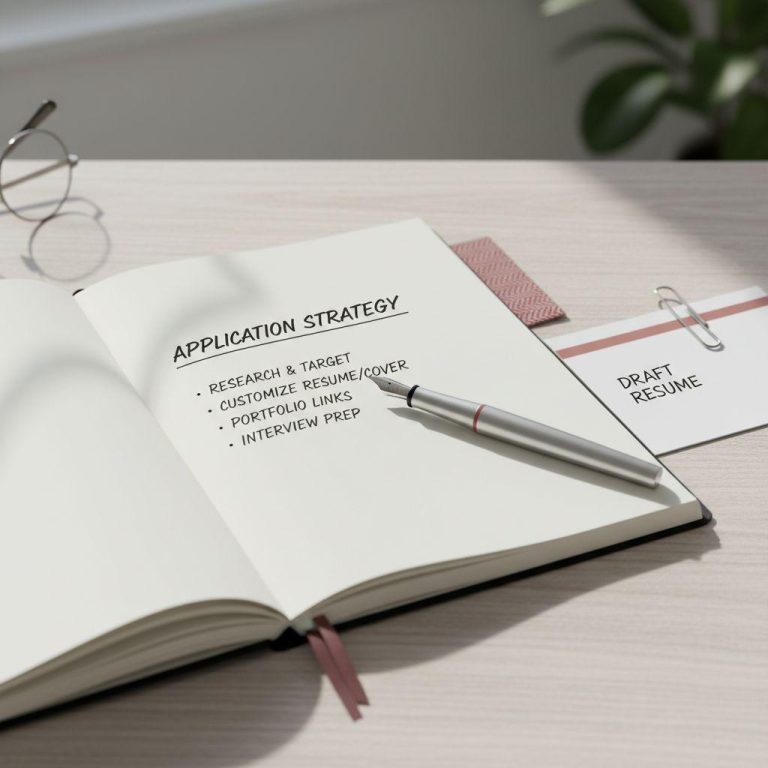
Prepare a simple resume highlighting availability, reliability, and any customer service experience. Submit the application online or in person.
If selected, you may be invited to an interview. Interviews are usually short and focus on availability, teamwork, and reliability.
To work legally in the USA, you typically need:
Employers are required to verify eligibility before hiring.
Many cafeterias are managed by large food service companies, including:
These companies operate nationwide and regularly hire entry-level workers.
Cafeteria jobs can lead to career advancement. Workers may move into:
Experience gained is transferable to restaurants, hotels, and catering services.
Yes. Cafeteria jobs provide structured training, stable routines, and valuable experience. They help workers develop discipline, teamwork, and customer service skills.
Cafeteria jobs in the USA offer realistic entry-level employment with flexible schedules and predictable routines. They are especially suitable for students and young workers.
Cafeteria jobs are an accessible and reliable option for those entering the U.S. job market. With minimal requirements and steady demand, these positions provide income, experience, and growth opportunities.
1. Do cafeteria jobs require experience?
No, most roles provide training.
2. Are cafeteria jobs part-time?
Yes, many positions are part-time.
3. Is English fluency required?
Basic English is usually enough.
4. Do cafeterias hire students?
Yes, students are a major part of the workforce.
5. How long does the hiring process take?
Usually one to two weeks.




![Y:\DOCUMENTOS MNO\JOURNALIST AI\[001] Descubra como garantir sua bolsa no Programa Jovens Construindo o Futuro em 2024!](https://investefinancas.online/wp-content/uploads/2024/12/Descubra-Como-Garantir-Sua-Bolsa-no-Programa-Jovens-Construindo-o-Futuro-300x150.webp)